An effective OEM floating platform brief explains intended use, single-deck dimensions, furniture and shade, colors and logo placement, accessories, quantity and delivery destination. Start from a known layout, identify your changes, and agree the drawing and quotation before production.
What to take away
- Make each requested change specific to a model, drawing or reference photo.
- Define branding, component lists and packaging alongside the deck layout.
- Approve the design and costs before production, and review media before dispatch.
Start with a layout the team can identify
Choose the closest existing single-deck model before describing a completely new arrangement. A reference gives the team a shared starting point for the deck, canopy and furniture. It also helps separate standard components from proposed custom work.
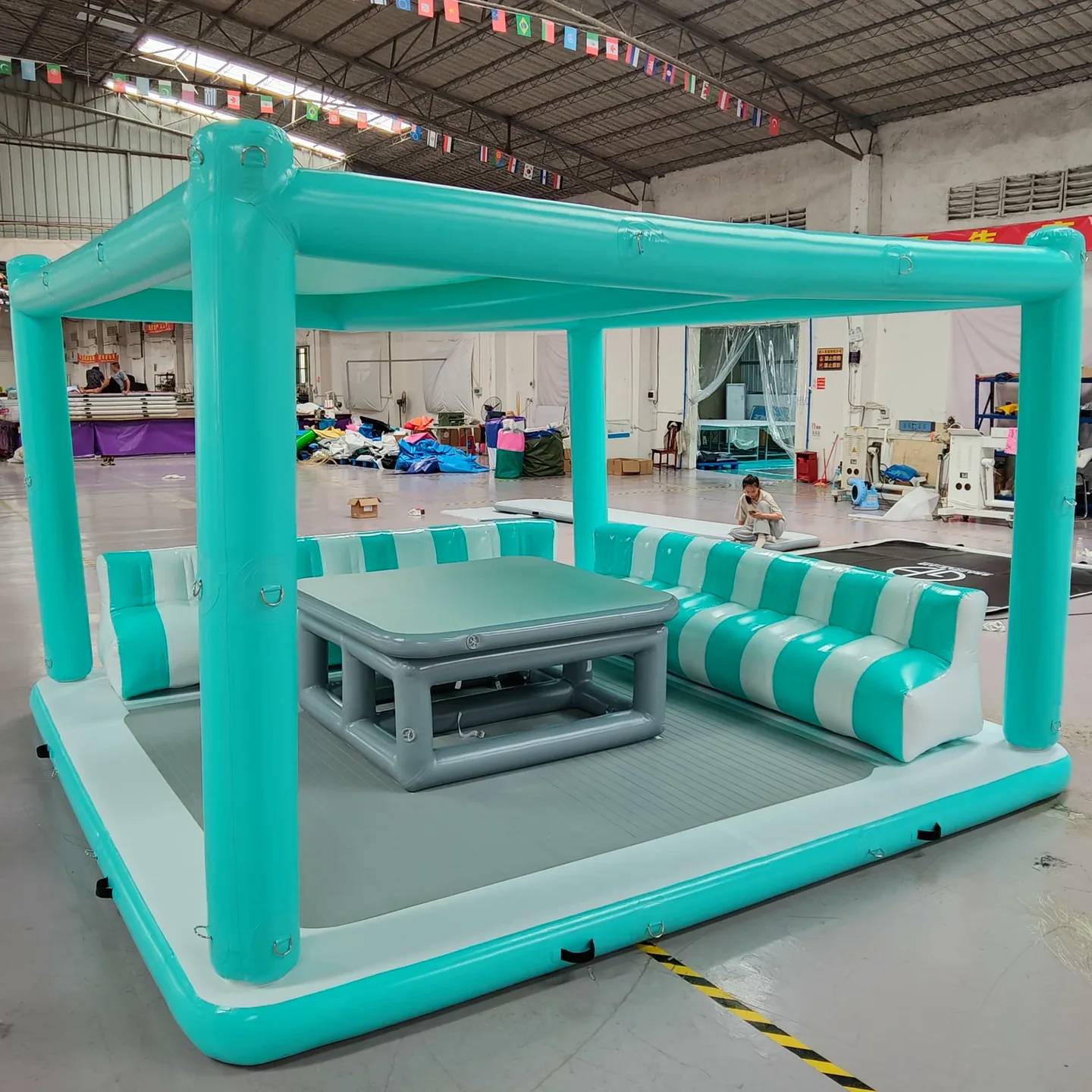
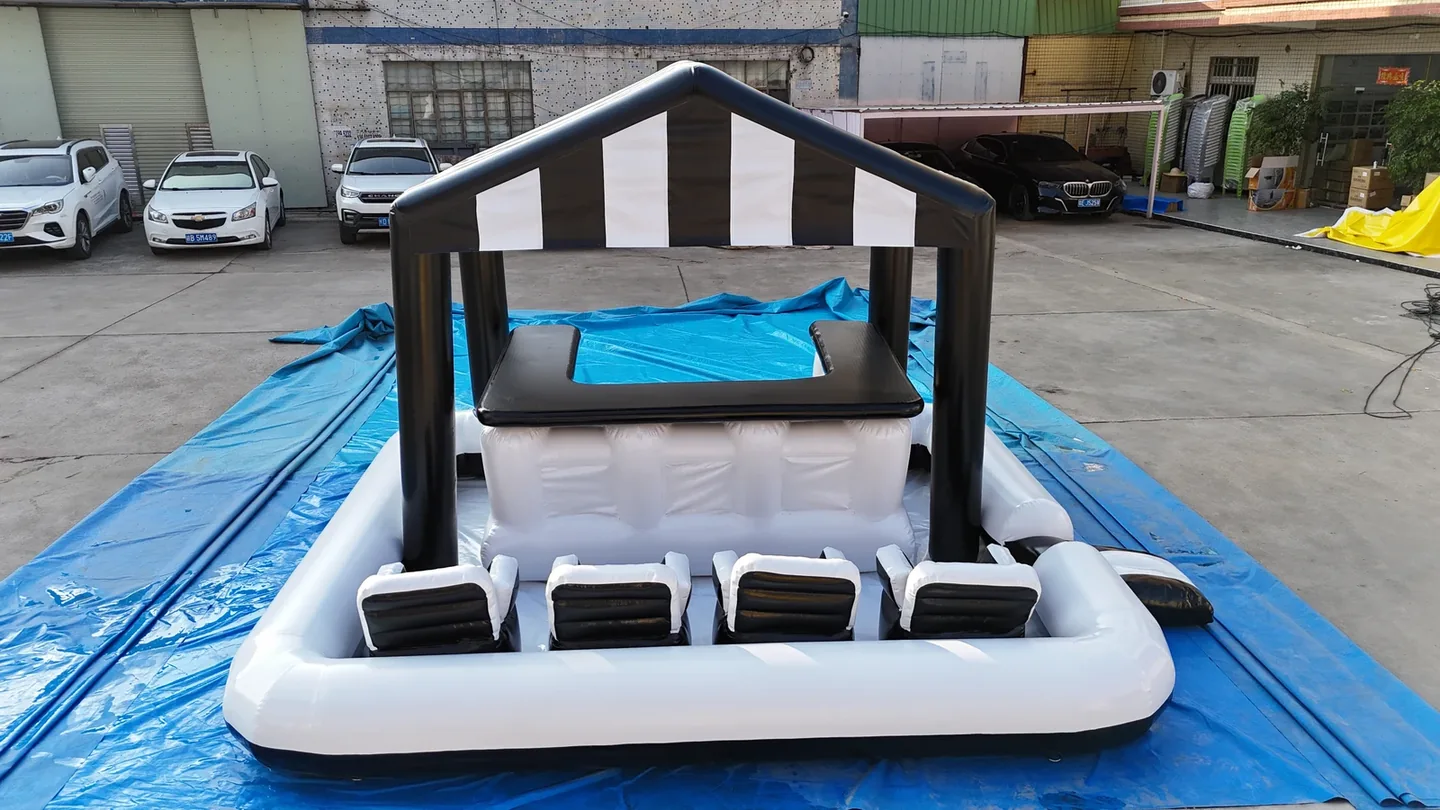
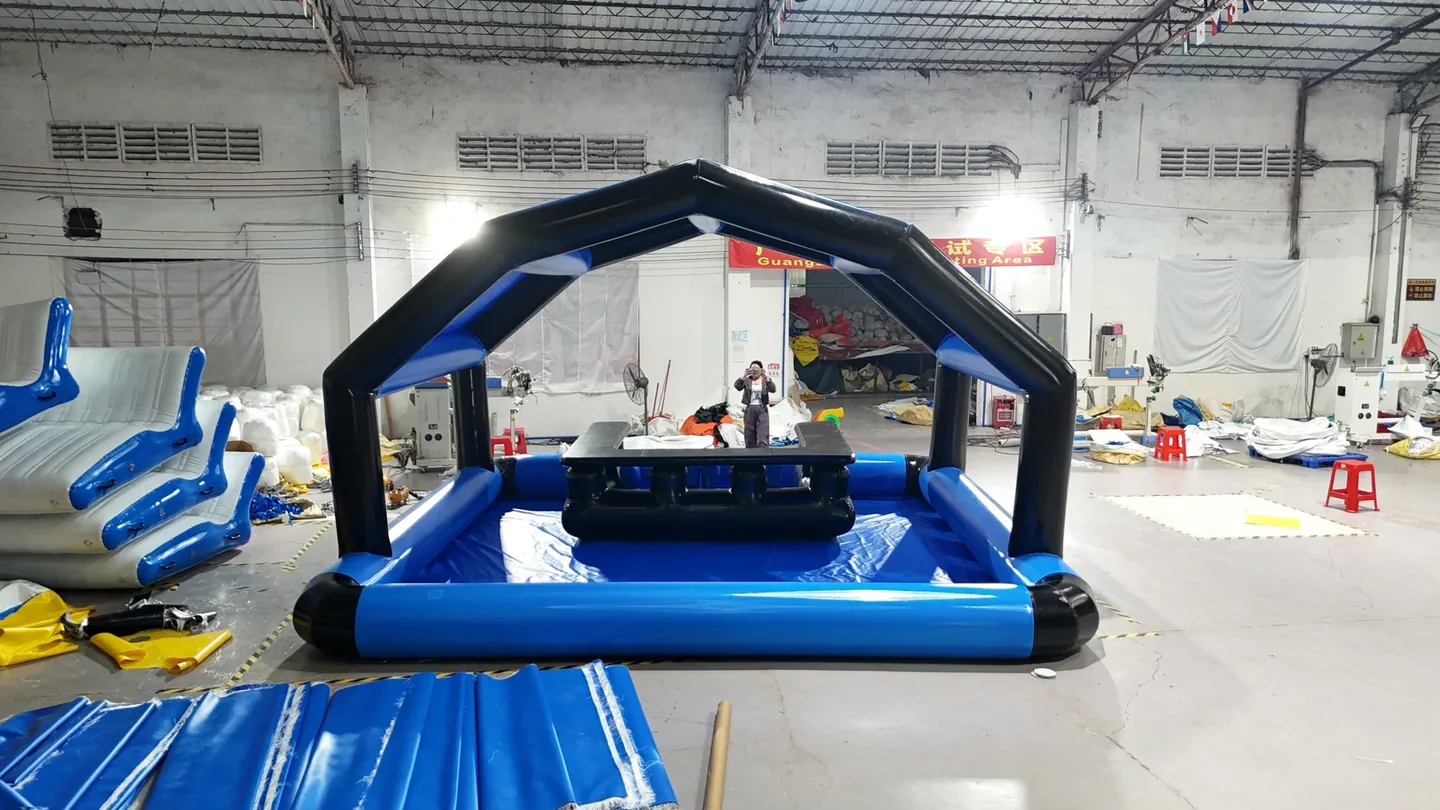
For example, you might start from the Cabana Lounge and request a different color palette or logo position. A bar project might begin with Blue Haven and a discussion about seating or the front deck. Use the actual product name or a marked-up photograph so your preferred configuration is clear.
The six parts of a useful design brief
| Brief item | What to send |
|---|---|
| Use and location | Private waterfront, resort, marina, distribution or rental project; proposed operating location |
| Size and layout | Preferred length × width, one deck, shade, furniture, counter and boarding arrangement |
| Brand identity | Logo artwork, color references, placement and deck finish preferences |
| Components | Pump, repair kit, fittings and any requested accessory changes |
| Quantity and packaging | Number of platforms, labeling and packaging requirements |
| Delivery | Country, postal code or port and target arrival date |
The featured DSPR range is listed from one platform. The final specification and charges still depend on your selected model and changes. Send what you know now; unanswered points can become questions for the supplier rather than guesses in the brief.
Make color and logo choices reviewable
Provide the artwork you are authorized to use and identify the surface where it should appear. Discuss colors for the deck, side tubes, canopy and furniture together. If a shade is important to your brand, use a color reference and ask how it will be confirmed in the design or sample process.
An image on a screen is a useful reference but may display differently across devices. Agree the final references and logo placement in the approved design. Tell the supplier whether your packaging or labels also need branding so those requirements are part of the quotation.
Write down the components and documents
A design brief should lead to an itemized specification. Ask the team to identify the canopy, furniture, counter and access components, plus the pump, repair kit and selected fittings. Confirm which items are standard and which are an upgrade.
Request the operating documents for the exact configuration, including rated load, permitted occupancy, inflation instructions and anchoring or handling details. If your destination market requires reports or other documents, state that need early and ask what is available for the chosen model. Avoid treating a document for a different product as confirmation for yours.
Use clear approval points
- Brief review: the team clarifies your selected layout and proposed changes.
- Quotation: product specification, custom charges, packaging and freight are discussed.
- Design approval: drawings and any sample requirements are agreed before production.
- Before dispatch: DSPR shares photos or video of the order.
These steps help make decisions visible. Keep the approved version of the drawing and itemized quotation so later questions can refer to the same specification. Read the design and approval page for the current process.
Bring timing into the brief early
Your target arrival date affects the delivery discussion, not just the production plan. The existing platform range gives planning estimates of about 45 production days after design approval and about 60 transit days for eligible US and European destinations. Confirm a schedule for your actual configuration and address.
Discuss the cost of changes before authorizing work. DSPR’s current policy allows cancellation without charge before production starts, including after design approval; change-of-mind cancellation is not refundable once personalized production starts. See delivery and product support for a summary and the original policy link.
Download the project brief checklist and send it with your logo or reference photographs through WhatsApp or email.
Common questions
Do I need a finished design before making an inquiry?
No. Start with a model or reference photo and describe the intended use, size, colors and changes you have in mind. The team can help clarify the remaining points.
When should a custom design be approved?
Agree the design and specification before production, including any sample requirements and charges for custom changes.
Explore the layouts
Cabana Floating Lounge4 × 4 m · View photos & configuration ↗Social Club Floating Bar3 × 3 m · View photos & configuration ↗Blue Haven Floating Bar3 × 4 m · View photos & configuration ↗Sources & product information
Prepared by DSPR from our original product information and policies. Model details and delivery terms should be reconfirmed in your quotation.